Platform economics

A platform that earns five ways, not one.

Waste-to-energy plants usually depend on a single revenue line and a gate fee. A Plasmera platform is underwritten by power, nano-carbon materials, syngas and hydrogen at the same time — which is what changes the risk profile for an investor. Two executive orders decide the timing: EO 14241 makes refining fundable mineral production, and EO 14415 ends foreign-sourcing waivers on January 1, 2027.

Nameplate
100 MW+ per platform
Retrofit scale
500 MW – 1 GW
Time to power
18–24 months
Revenue lines
Five per platform
01Revenue architecture

Where the money comes from.

Each line is contracted separately, which means no single buyer, commodity or policy can carry the whole platform.

Revenue lineCounterpartyContract mechanismRole in the model
PowerDatacenter operator or utilityPower purchase agreement or behind-the-meter supply100 MW+ nameplate per platform
Nano-carbonBattery, polymer and magnetics manufacturersMaterial offtake at qualification-grade pricingHighest-margin line
SyngasInternal recycle or industrial buyerDisplaces platform parasitic load, or merchant saleLowers operating cost
Green hydrogenIndustrial, transport, grid balancingLong-term supply agreementCo-product cost basis
BiocharAgricultural and carbon marketsSwitchable output when local pricing is strongOptional, feedstock-dependent

Contracted volumes, pricing and the full revenue build are shared under NDA

02Policy tailwind

One order opens the money. One sets the clock.

Two authorities carry the case. EO 14241 makes refining a fundable act of mineral production; EO 14415 ends the sourcing waivers that let contractors buy foreign material on January 1, 2027. Plasmera answers both at once.

The money doorMarch 20, 2025

EO 14241

Processing and refining count as mineral production, and anodes, cathodes, permanent magnets and batteries are named derivative products. Defense Production Act financing flows through the War Department and DFC, with a dedicated mineral fund planned.

EO 14241 source [NEEDED]

Rare-earth separation is processing. The carbon slate feeds anodes and cathodes.
The clockJuly 20, 2026

EO 14415

Sourcing waivers under 10 U.S.C. 4872 end January 1, 2027 unless a mitigation plan is accepted, and an unqualified domestic source no longer excuses foreign supply. Contractors must trace materials back to raw-material origin.

EO 14415 source [NEEDED]10 U.S.C. 4872 source [NEEDED]

Magnet makers and primes need a compliant origin and must qualify new sources.

EO 14156

Legal foundation

Critical-minerals production and refining sit inside the declared energy emergency, extended one year in January 2026 — the footing for EO 14241's DPA waivers.

EO 14156 source [NEEDED]

PD 2026-19

Feedstock support

Black mass, end-of-life rare-earth magnets, swarf and critical-mineral scrap are designated scarce and defense-essential. A Commerce rule keeps all black mass and tungsten scrap sales domestic from August 27 — feedstock that needs domestic processors.

PD 2026-19 source [NEEDED]

A contractor that must trace magnet material to origin by January 1, 2027 needs a domestic separator that is funded, permitted and running. That is the demand the platform is built for.

03Deployment

Two routes to a running platform.

P-01

Brownfield retrofit

Retired electrical power plants already hold grid interconnection, permitting history and site infrastructure. Plasmera installs manufactured multi-flame plasma modules to generate 500 MW to 1 GW of clean electricity in 18 to 24 months from funding.

  • Interconnection already in place
  • Shorter permitting path
  • Existing site services
P-02

Greenfield at the feedstock

For waste streams with no nearby power site, a greenfield platform is sited at the feedstock — removing transport cost and securing supply on long-term terms.

  • Feedstock-secured siting
  • Mobile or fixed configuration
  • Regional offtake optionality
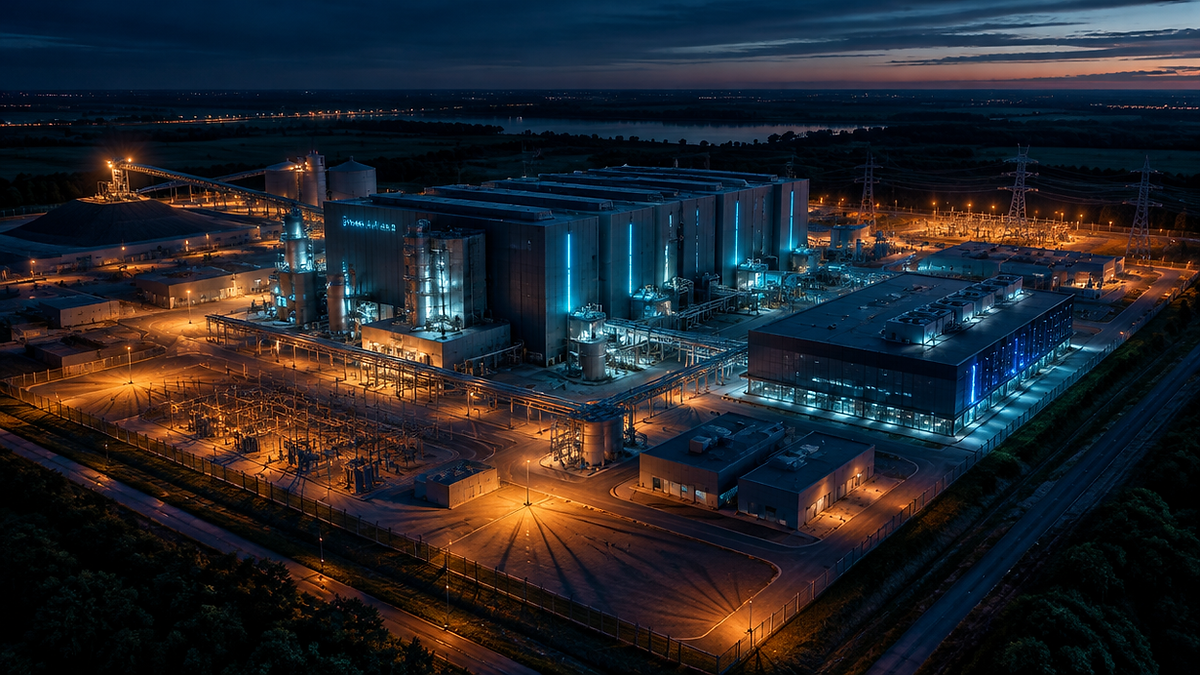
Plasmera platform site at dusk with substation and transmission infrastructure.
04Capital efficiency

One reactor does the work of five facilities.

Conventional nanomaterial production requires separate dedicated facilities per material. A single plasma pinch platform produces all five output streams — dramatically improving capital efficiency against single-product competitors.

Capex per output stream
Shared across five products
Feedstock cost exposure
Low-cost waste, not commodity fuel
Revenue concentration
Diversified by design
Time to first revenue
18–24 months from funding

Diligence pack

What qualified investors receive.

  • Full financial model — capex, opex, revenue build and sensitivities
  • Platform design basis and equipment bill of materials
  • Battelle validation reports and test methodology
  • Feedstock supply agreements and letters of intent
  • Power and materials offtake pipeline
  • Capitalisation table and current round terms
Diligence

Walk the model with us.

We will send the deck and the financial model, then schedule a call to go through assumptions line by line.